Journal
Recipes, science, history, and table strategy — written for cooks who want the why, not just the how.
METHODS · 2026-08-08
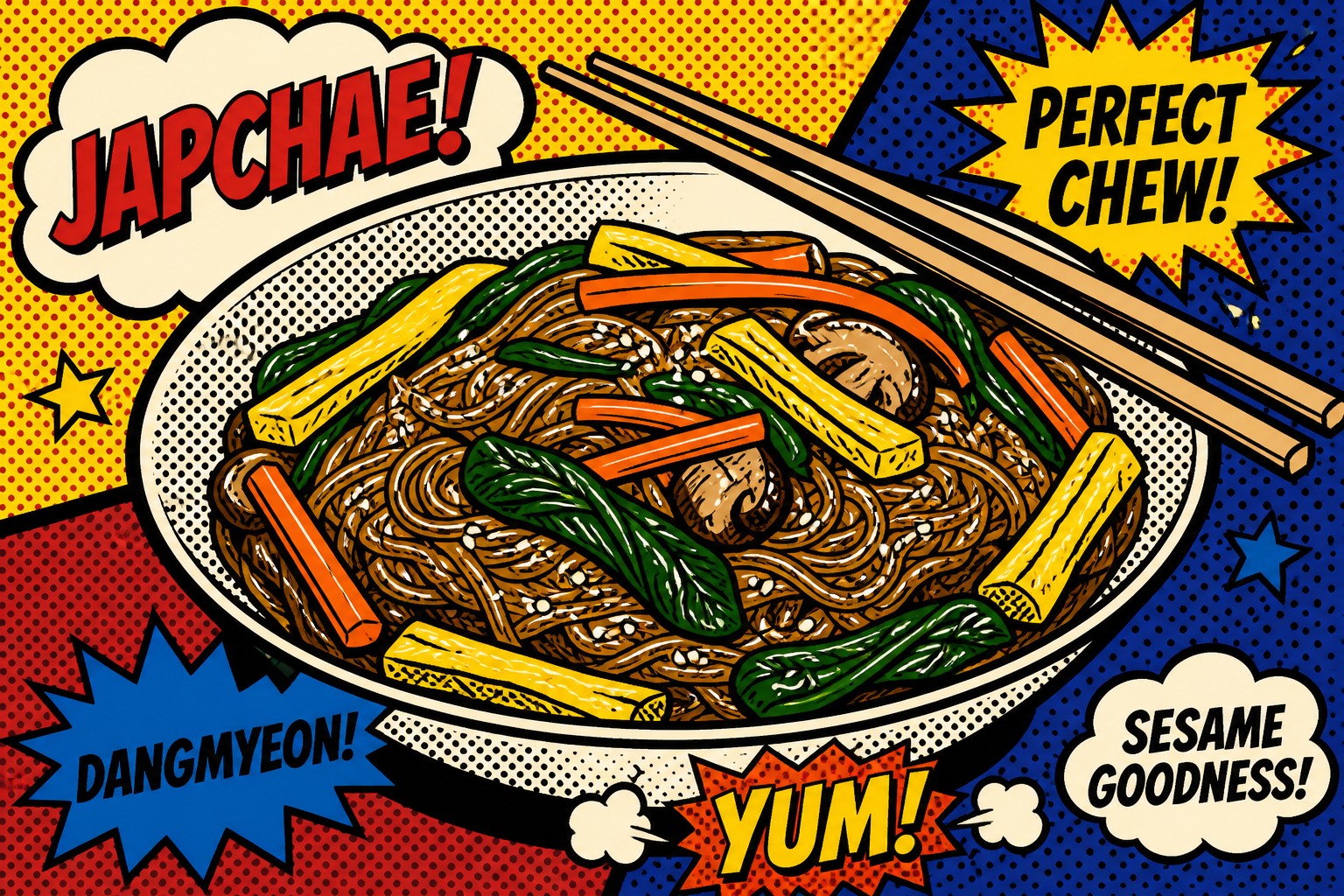
Japchae Fundamentals: Dangmyeon and the Perfect Chew
By Japchae Curator
Sweet potato glass noodles are not rice noodles — how to cook dangmyeon so it stays springy, not gummy or greasy.
Read article →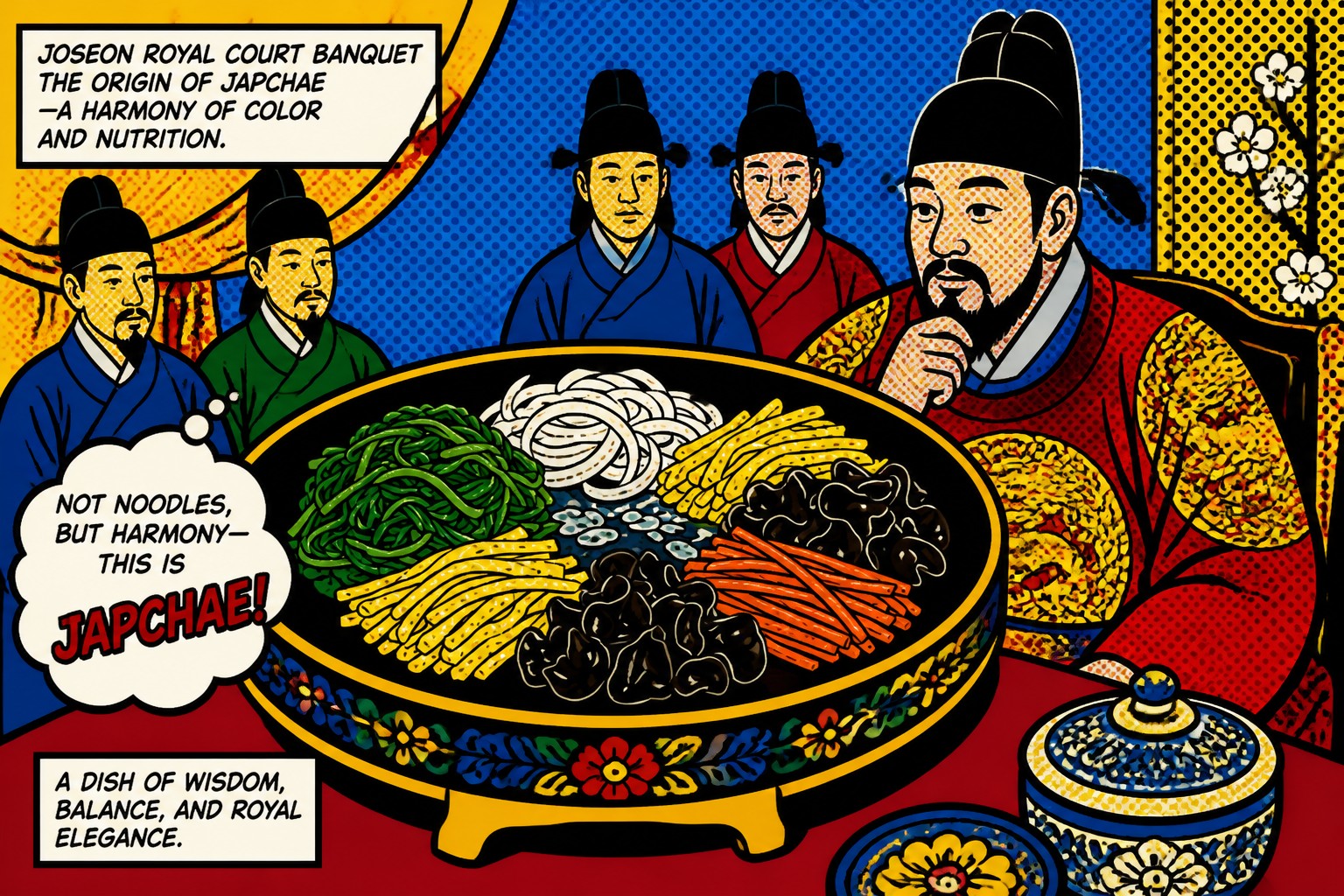
HISTORY · 2026-08-09
Royal Court Origins: When Japchae Had No Noodles
By Japchae Curator
Japchae began as a royal stir-fry without dangmyeon — a Joseon banquet dish that only later became the noodle dish we know.
Read article →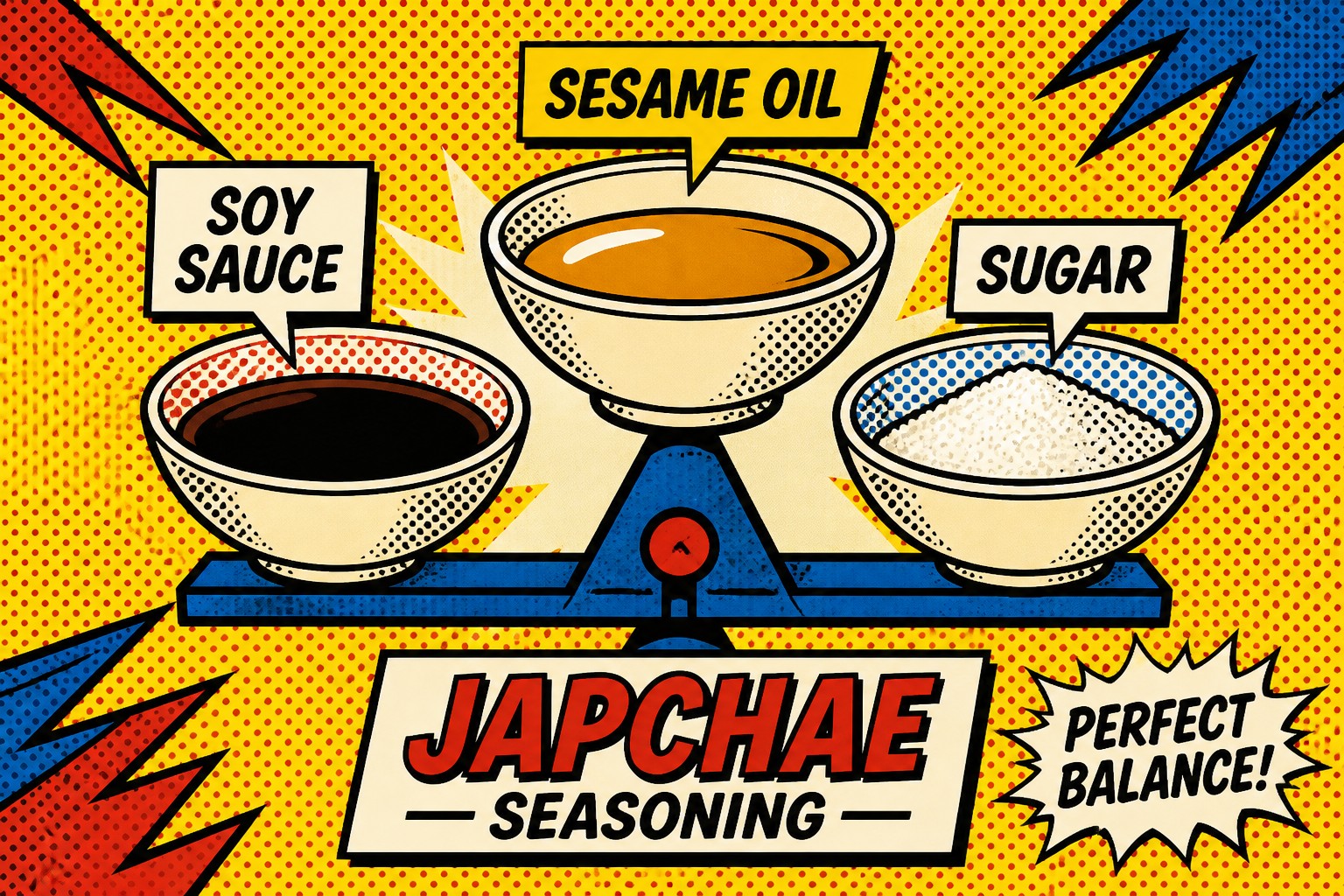
SCIENCE · 2026-08-10
Sauce Balance: Soy, Sesame, Sugar, and Heat
By Japchae Curator
The invisible math that makes japchae taste clean not cloying — soy for salt, sugar for gloss, sesame for aroma.
Read article →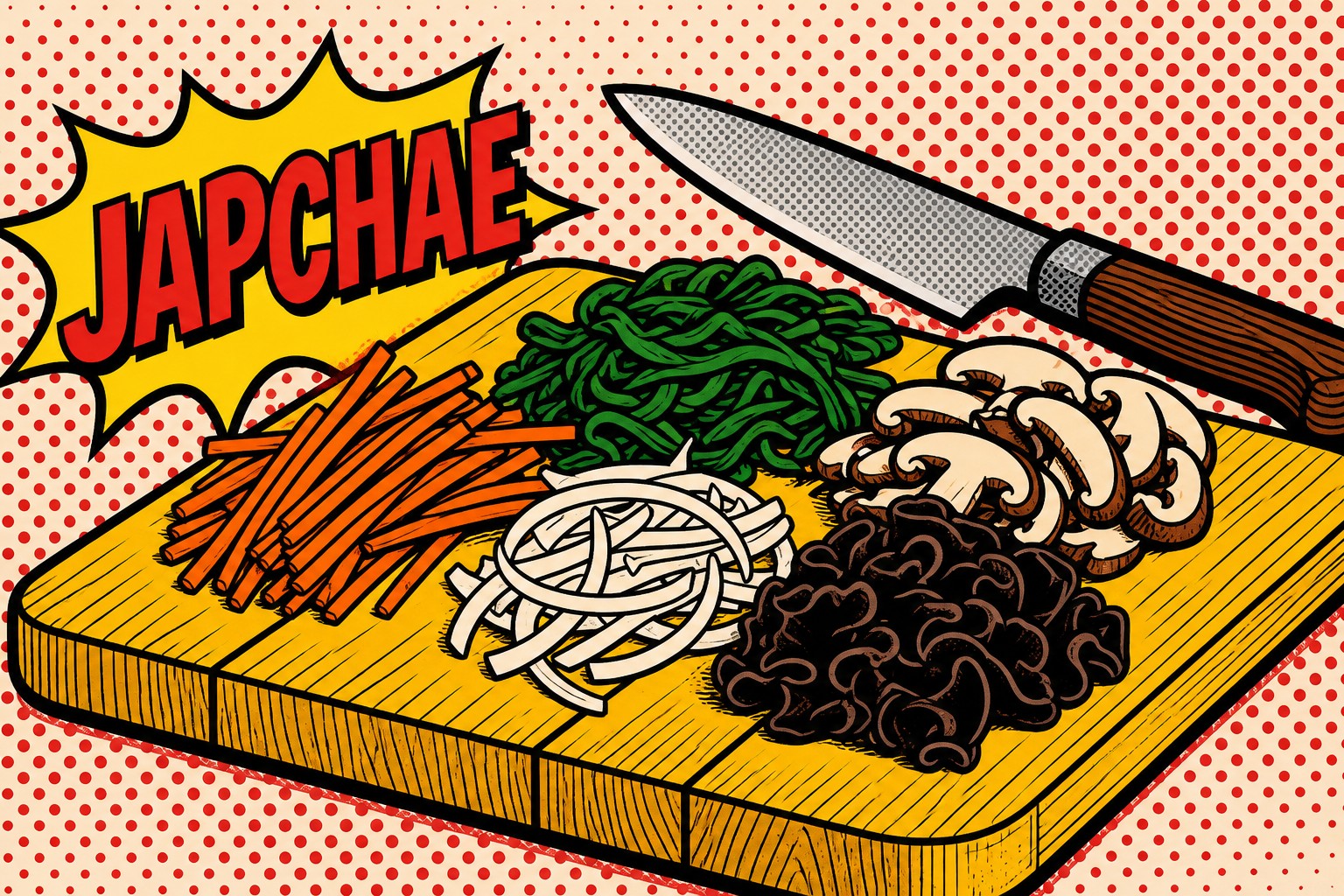
TECHNIQUE · 2026-08-11
Vegetable Prep: The Knife Work That Makes Japchae Sing
By Japchae Curator
Julienne carrots, wilted spinach, shiitake ribbons — how thickness and cut determine whether japchae eats crisp or soggy.
Read article →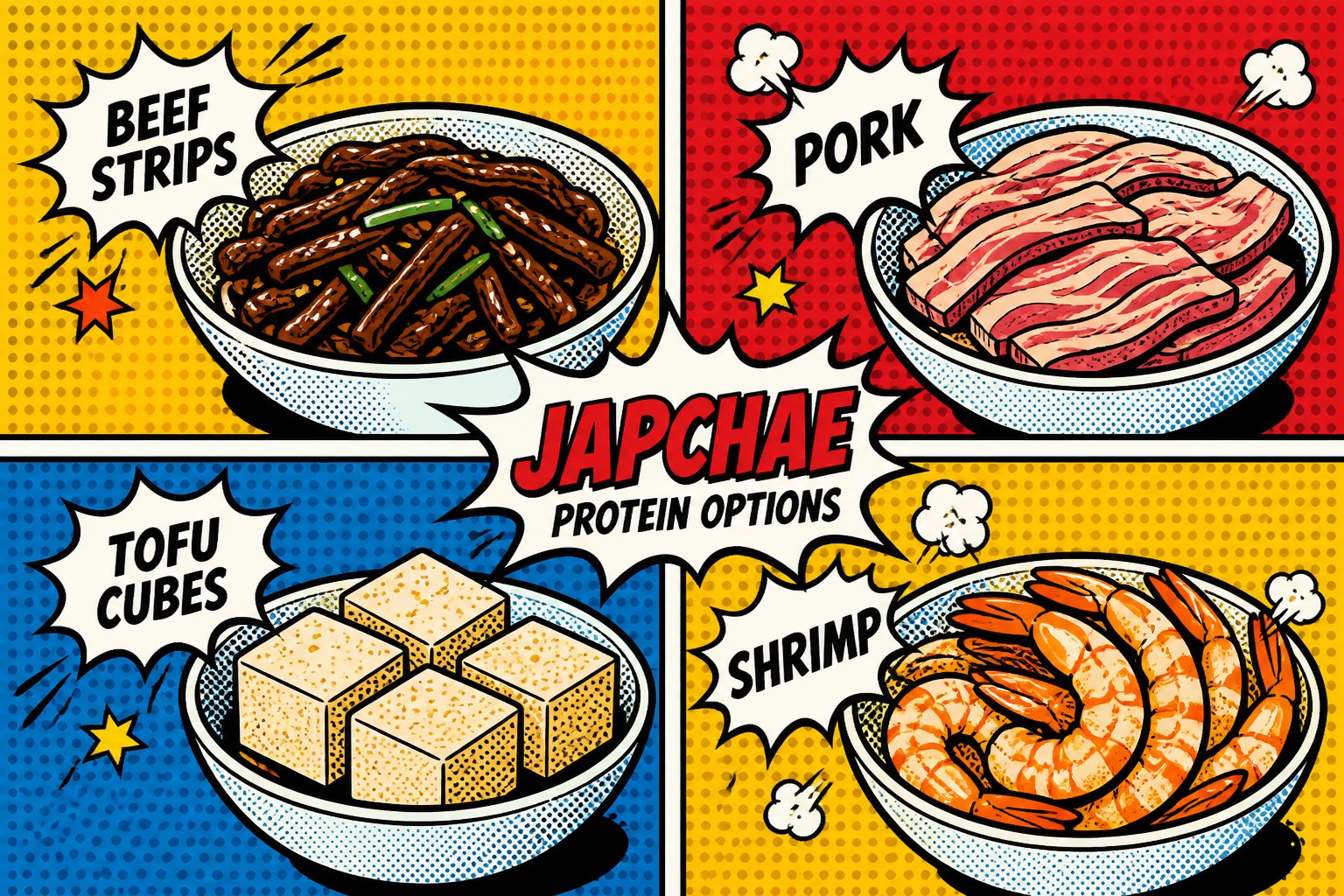
RECIPES · 2026-08-12
Protein Variations: Beef, Pork, Tofu, and Shrimp Japchae
By Japchae Curator
Beyond bulgogi-style beef — plant and seafood spins that keep japchae's balance without dragging noodles down.
Read article →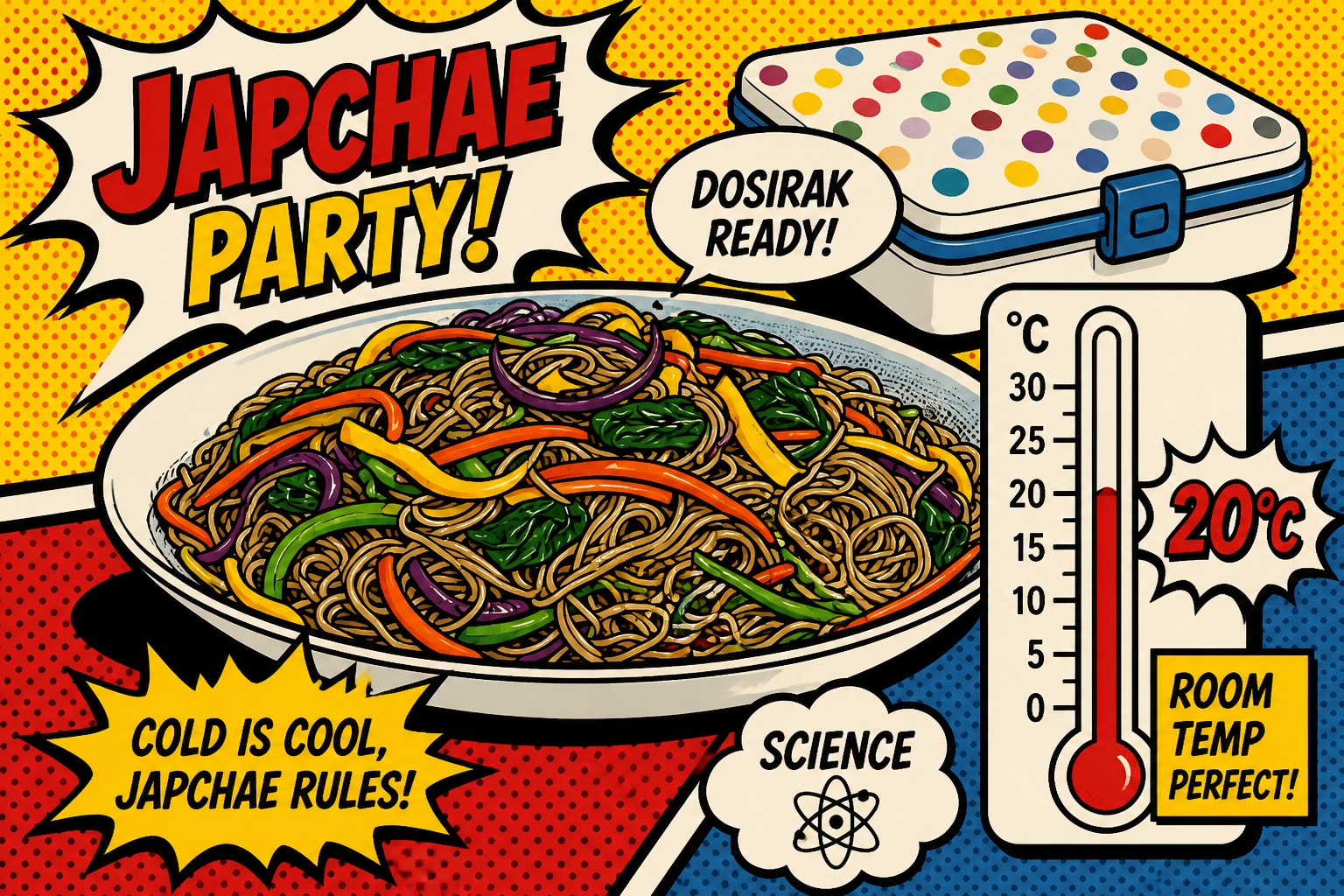
CULTURE · 2026-08-13
Dosirak and Party Science: Why Japchae Loves Room Temperature
By Japchae Curator
Japchae is Korea's ideal packed and party dish — it holds at room temp when rice won't, and the science explains why.
Read article →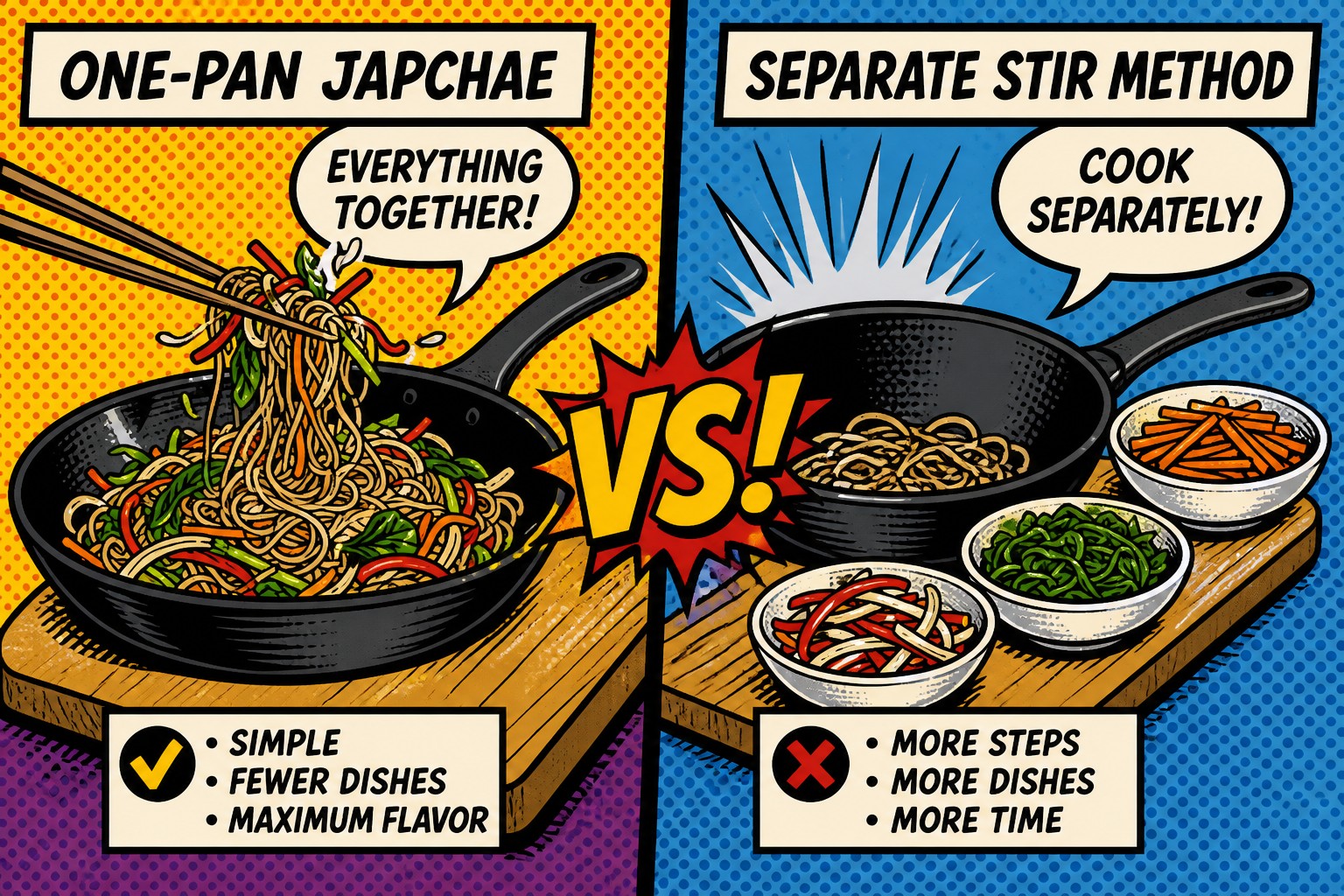
METHODS · 2026-08-14
One-Pan vs. Classic Separate Stir: Which Japchae Is Yours?
By Japchae Curator
The shortcut one-pan japchae saves dishes — the classic separate-stir earns clearer color and better chew. Taste both and choose honestly.
Read article →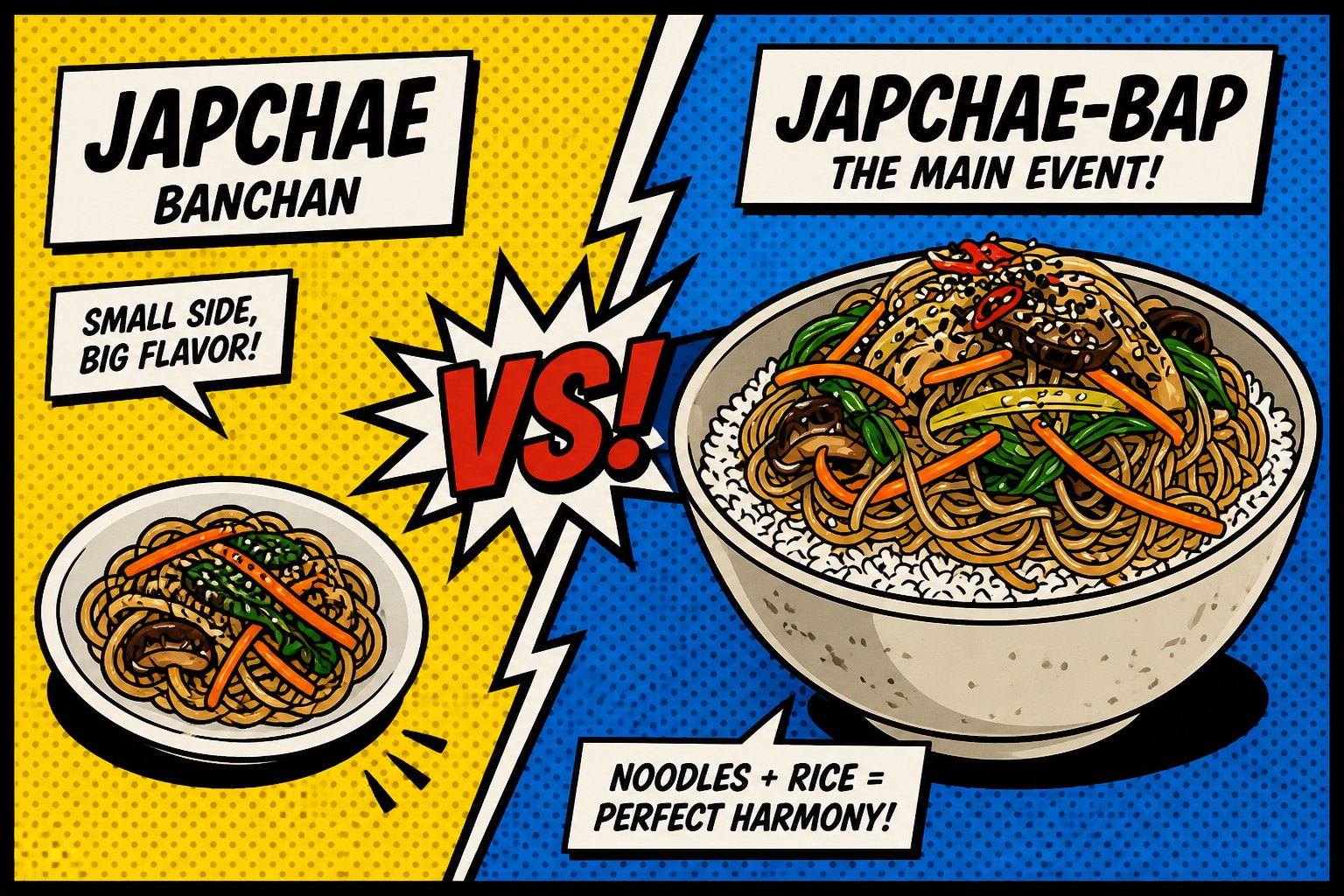
CULTURE · 2026-08-15
Banchan, Main, or Japchae-Bap? How Koreans Actually Serve It
By Japchae Curator
Small plate or next-day lunch box staple — portion and placement change what japchae means at the table.
Read article →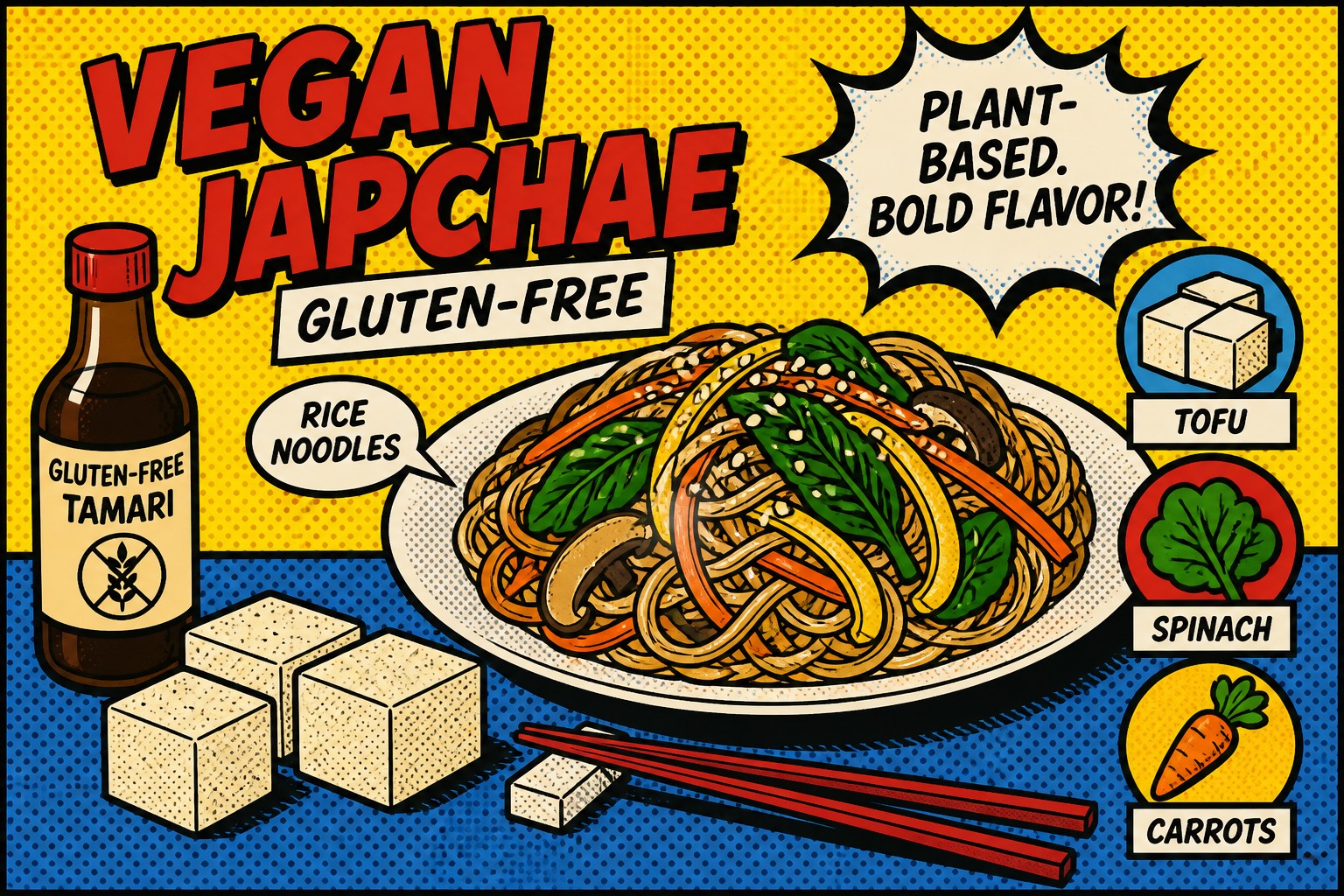
GUIDE · 2026-08-16
Modern Diets: Gluten-Free, Low-Sugar, and Vegan Japchae
By Japchae Curator
Dangmyeon is naturally gluten-free — keep it that way while adapting sweetness and protein for today's table.
Read article →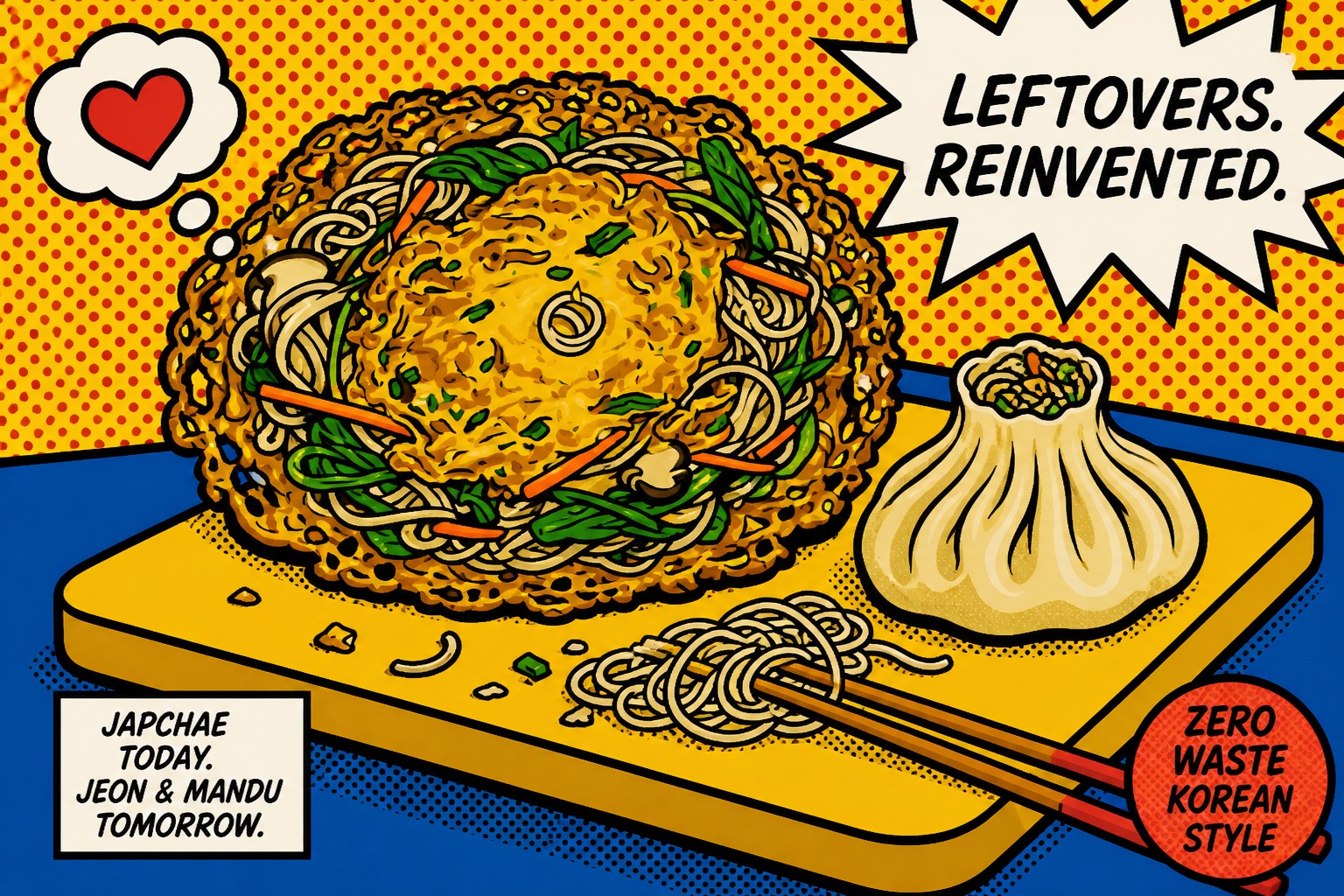
RECIPES · 2026-08-17
Leftover Genius: Japchae Jeon and Mandu Filling
By Japchae Curator
Already seasoned noodles are tomorrow's jeon and mandu — two waste-free transforms that taste intentional, not leftover.
Read article →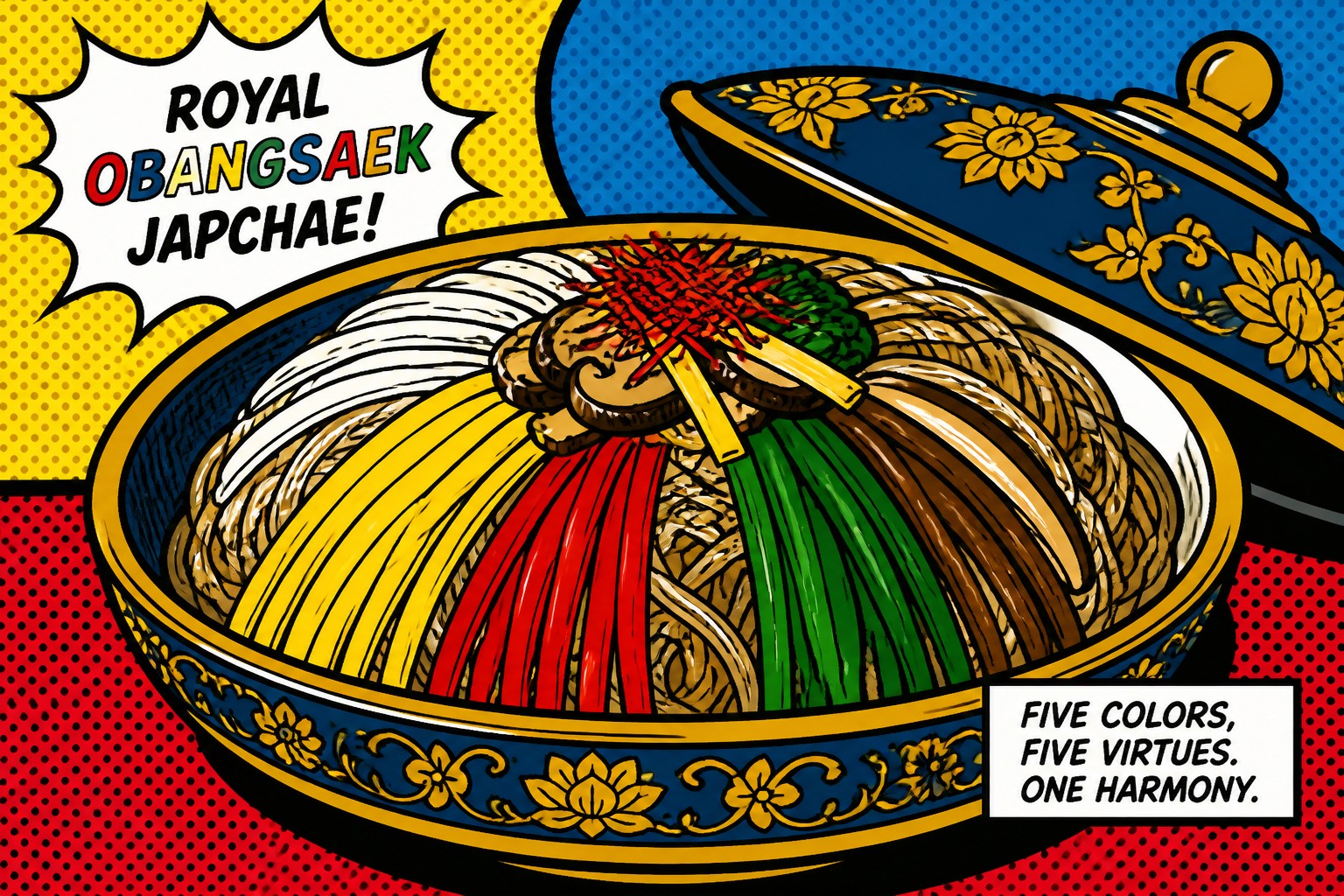
TOP 5 · 2026-08-18
Top 5 Japchae Color Combos — Royal Banquet to ARMY Tables
By Japchae Curator
From classic beef to temple veg — Suga told international ARMYs to try japchae; the Joseon court invented its color discipline.
Read article →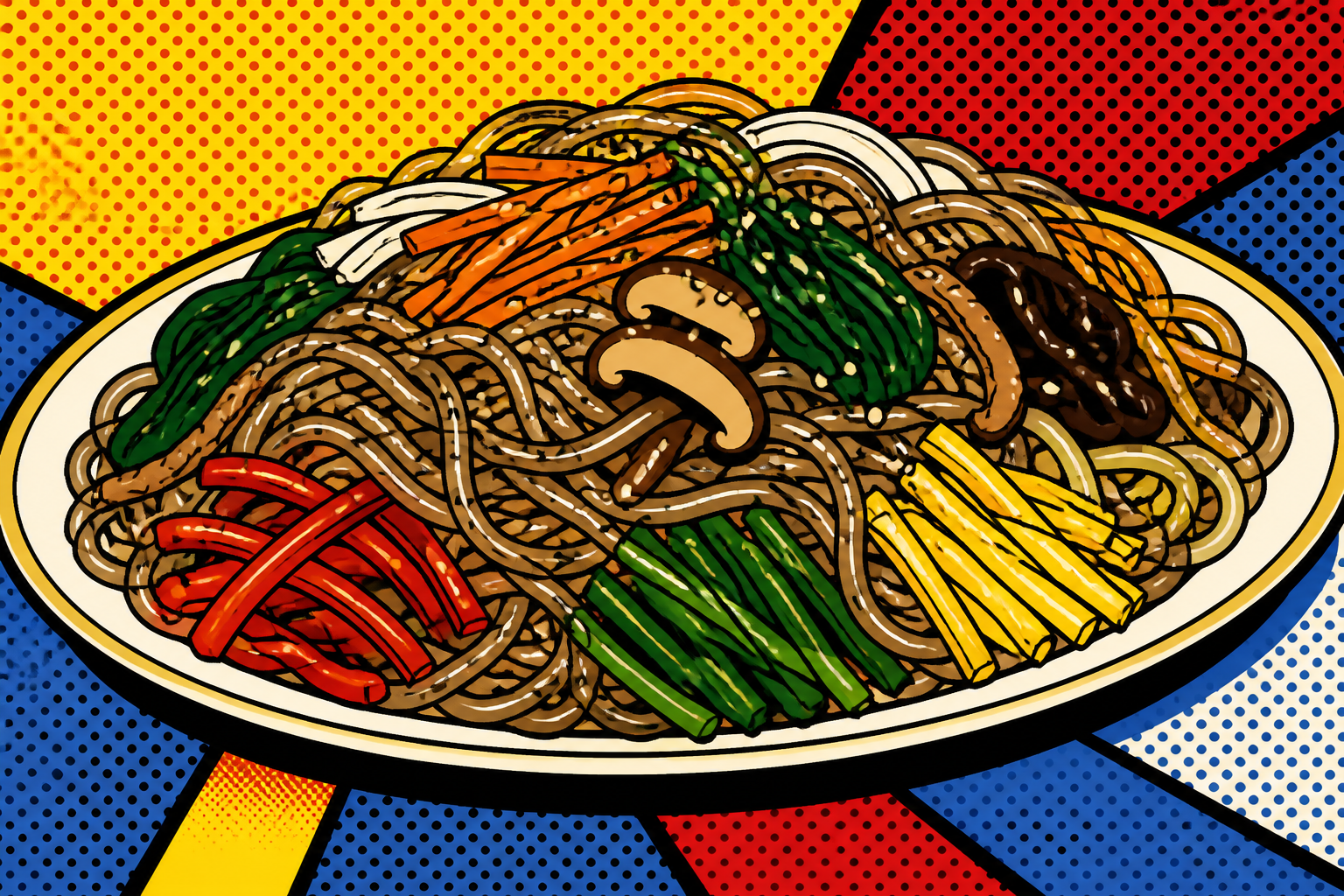
CULTURE · 2026-08-26
Japchae, the Dish Suga Told International ARMYs to Try
By Japchae Curator
Glass noodles, soy and sesame — cook the royal-color plate, then the 7 July 2021 Amazon Music cite.
Read article →CULTURE · 2026-09-24
Japchae as Banchan vs Main: How the Same Noodles Change Job
By Japchae Curator
A longer answer to the query this site already ranks for: when japchae is a small side, when it is the lunch, and how to portion it.
Read article →RECIPES · 2026-10-05
How to Make Japchae — Korean Glass Noodles, One Color at a Time
By Japchae Curator
The first-time japchae method: cook dangmyeon to a spring, season it first, then stir-fry each vegetable separately so the plate stays five colors, not one brown tangle.
Read article →GUIDE · 2026-10-05
Dangmyeon Buying Guide — Sweet Potato Glass Noodles, Not Cellophane
By Japchae Curator
What to look for on a dangmyeon bag: sweet potato starch, thickness, cook time, and the gluten-free line — plus what happens if you buy mung-bean noodles by mistake.
Read article →METHODS · 2026-10-05
Japchae Mistakes — Soggy Noodles, Gray Spinach, and One-Pan Mud
By Japchae Curator
Why homemade japchae turns clumpy, bland, or brown — and the small sequence changes that fix it without a new ingredient list.
Read article →HISTORY · 2026-10-05
Japchae History — From a Noodle-Free Court Dish to the Chuseok Plate
By Japchae Curator
Japchae started as a Joseon court stir-fry of vegetables. Sweet-potato noodles arrived centuries later. What that means for how you cook and serve it now.
Read article →